
India's installed generation capacity is projected to cross 2,000 GW by 2047, with solar rising from 119 GW to over 1,100 GW, according to the Energy & Climate Initiatives Society.
A 2,000 GW power system
India's installed electricity generation capacity is projected to cross 2,000 GW by 2047, driven by a major expansion in clean power and particularly solar, according to a report by the Energy & Climate Initiatives Society (ENCIS).
The 'India's Power & Energy Transformation Outlook' report was released during the inaugural session of Bharat Electricity, POWER-GEN India and Indian Utility Week, highlighting the infrastructure, innovation and policy support required for the Viksit Bharat vision.
Solar leads the build-out
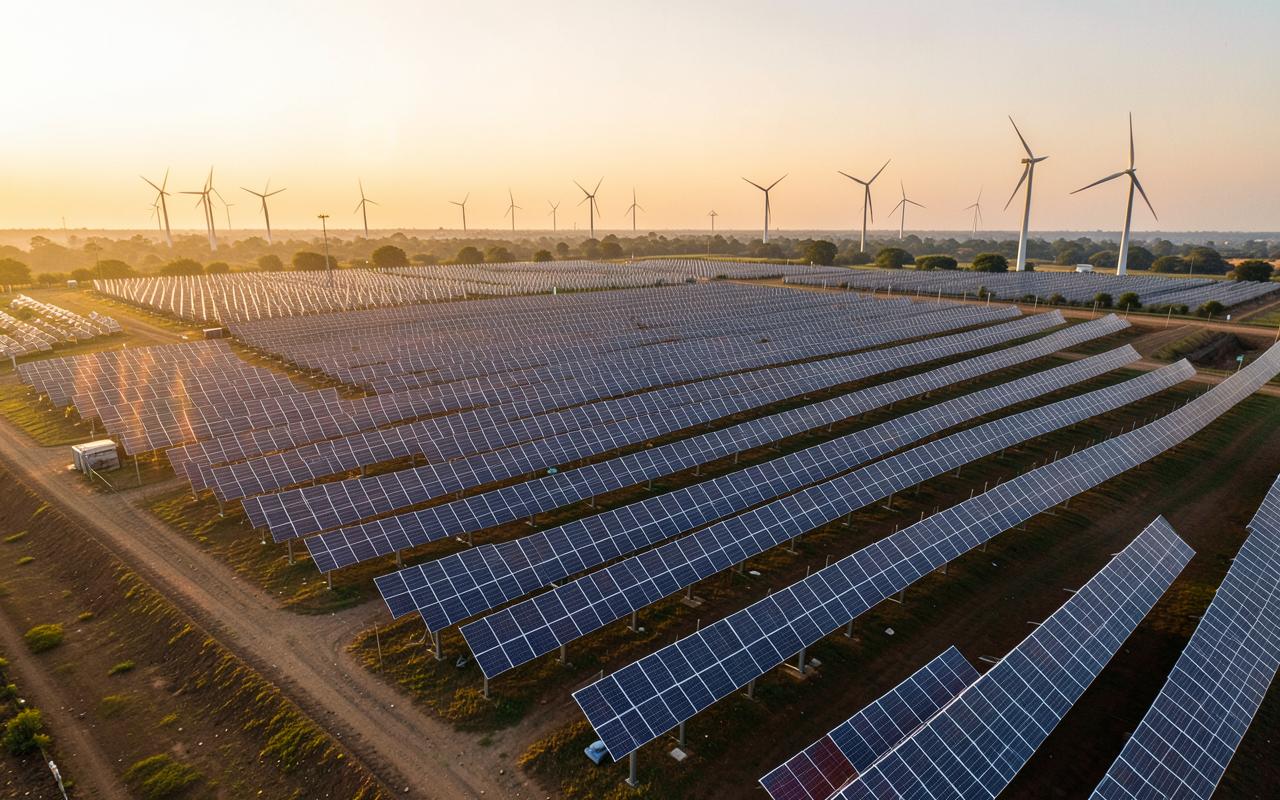
Solar power capacity is expected to rise from 119 GW to over 1,100 GW. Non-fossil sources have already reached 53 per cent of India's 540 GW installed capacity — five years ahead of target.
Peak electricity demand, which has nearly tripled since 2000, is forecast to reach 366 GW by 2032, a 34 per cent jump driven by data centres, e-mobility and green hydrogen.
Storage and grid reliability
India must nearly triple renewable energy deployment by 2030 to reach 500 GW of non-fossil capacity while maintaining reliability. Grid-scale storage will need to increase 40-fold, to 200 GWh by 2030.
Coal will continue to provide grid stability, with plants required to operate at 40 per cent minimum technical load and 3 per cent ramp rates by 2030. Around 44 GW of renewable capacity remains stuck in contract or financing limbo.
Smart metering and investment
Smart meter deployment is on track to reach 250 million units by FY28, enabling real-time management of 90 per cent of consumer demand and pushing average AT&C losses below 10 per cent.
India's power sector investment requirement is pegged at $0.5 trillion by 2030.
Why it matters for rooftops
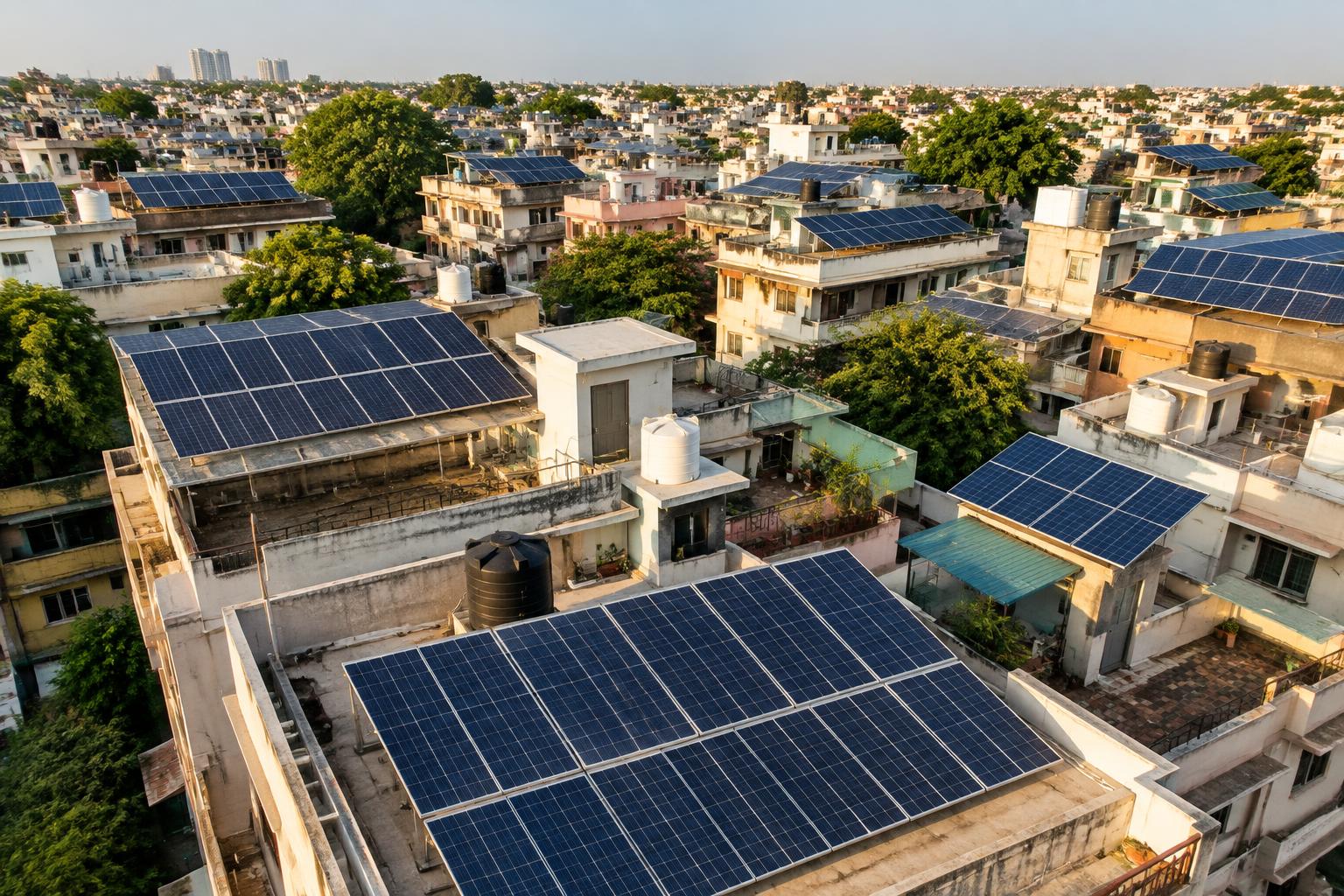
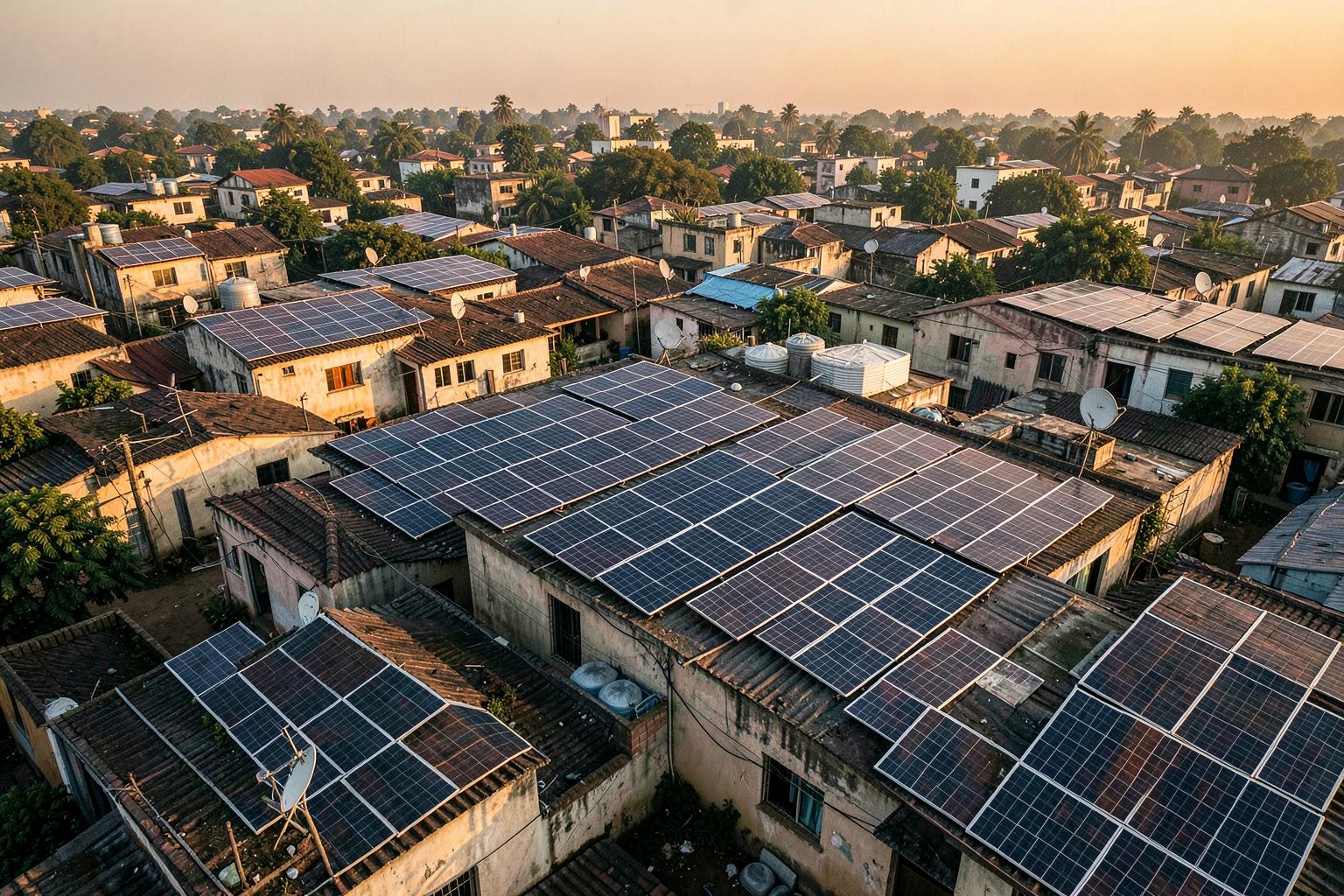
A grid this large is built one rooftop, one campus and one plant at a time. Distributed solar shortens the distance between generation and consumption and shields owners from the tariff volatility that comes with rising peak demand.