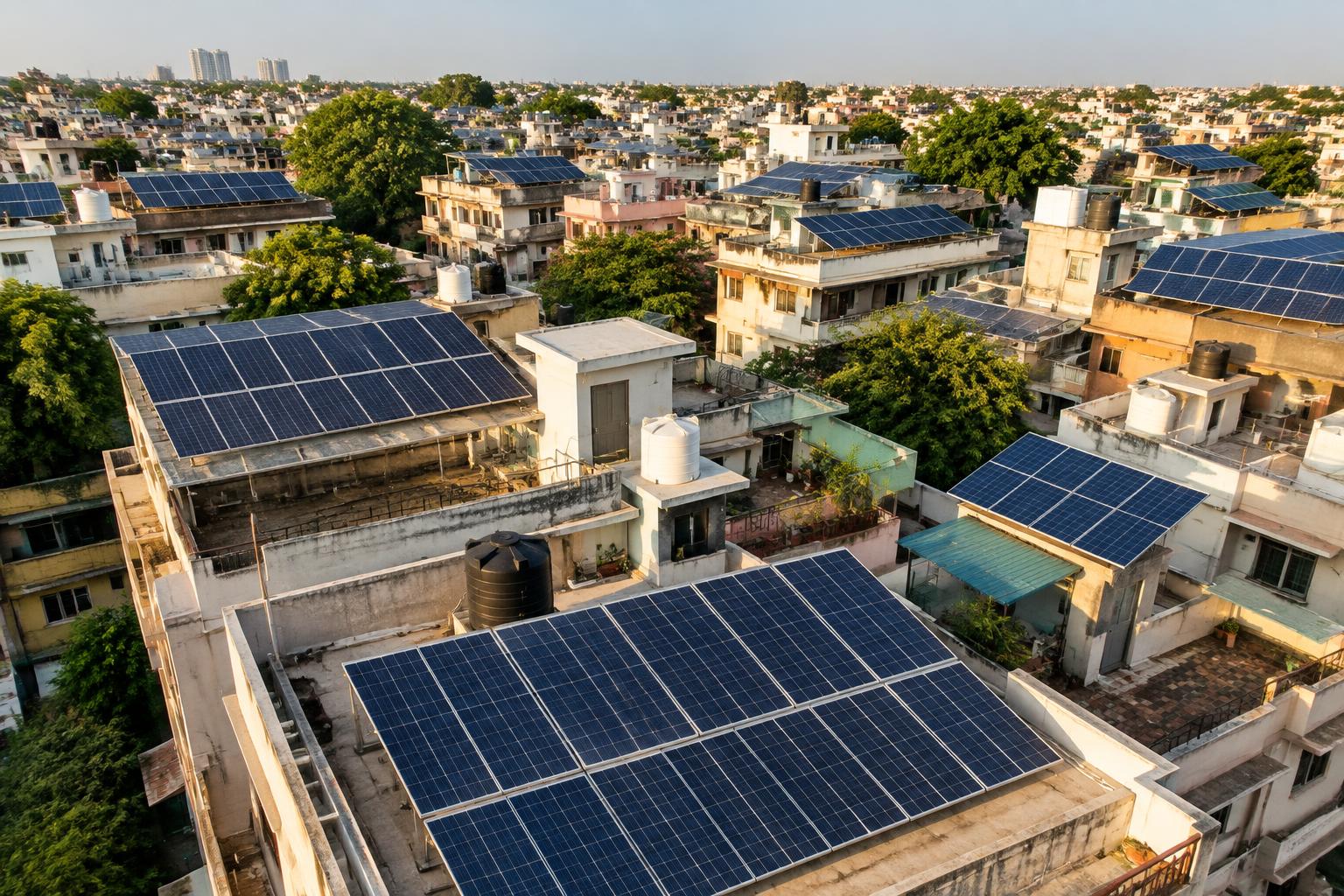

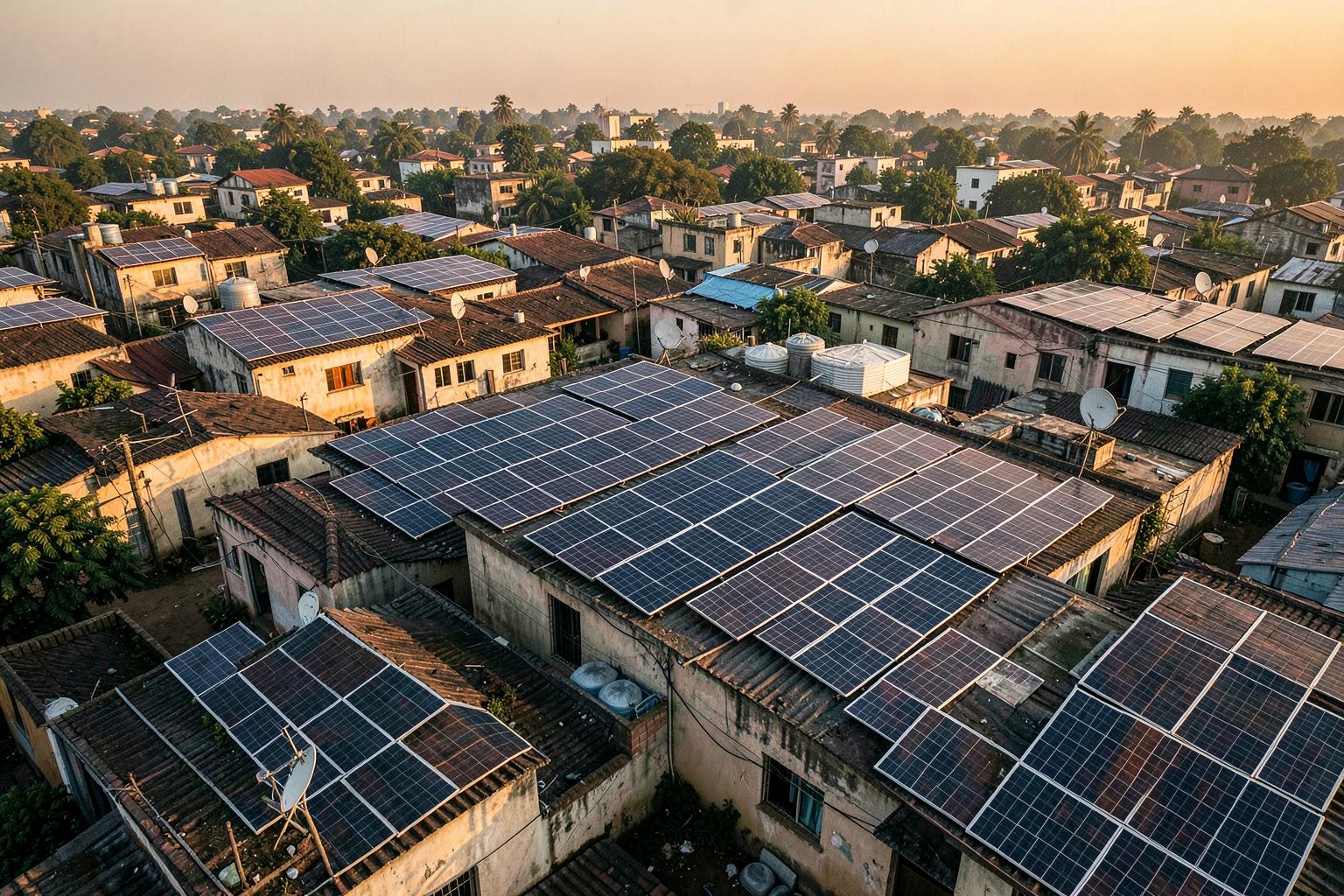
The PM Surya Ghar Muft Bijli Yojana has crossed 50 lakh rooftop solar installations across India, with record monthly additions of 5.06 lakh homes in July 2026 and ₹28,024 crore in solar subsidies released directly to beneficiaries.
50 lakh homes and counting
The Centre's flagship PM Surya Ghar: Muft Bijli Yojana has crossed a major milestone, with more than 50.06 lakh households across India now benefiting from rooftop solar installations. July 2026 recorded the scheme's highest-ever monthly additions — 5.06 lakh homes in a single month.
The pace works out to roughly one lakh new beneficiary households every six days, making it one of the fastest-growing residential rooftop solar programmes in the world.
₹75,000-crore push for free solar power
Backed by an outlay of over ₹75,000 crore, the scheme targets one crore households. The Centre has already released ₹28,024 crore directly into beneficiaries' bank accounts through Direct Benefit Transfer (DBT), enabling faster and more transparent solar subsidy disbursal.
Under the scheme, households receive a central financial assistance of up to ₹78,000 for a 3 kW rooftop solar system, making solar panel installation affordable for middle-class families.
How much can homeowners save?
A typical 3 kW rooftop solar system generates around 300 units of electricity per month. Combined with net metering, households can cut their electricity bills sharply — in many cases to near zero — and earn payments for surplus power exported to the grid.
With state-level top-ups in places like Delhi and Rajasthan stacking on the central subsidy, the effective upfront cost of a home solar system has fallen to historic lows.
Why this matters for clean energy in India
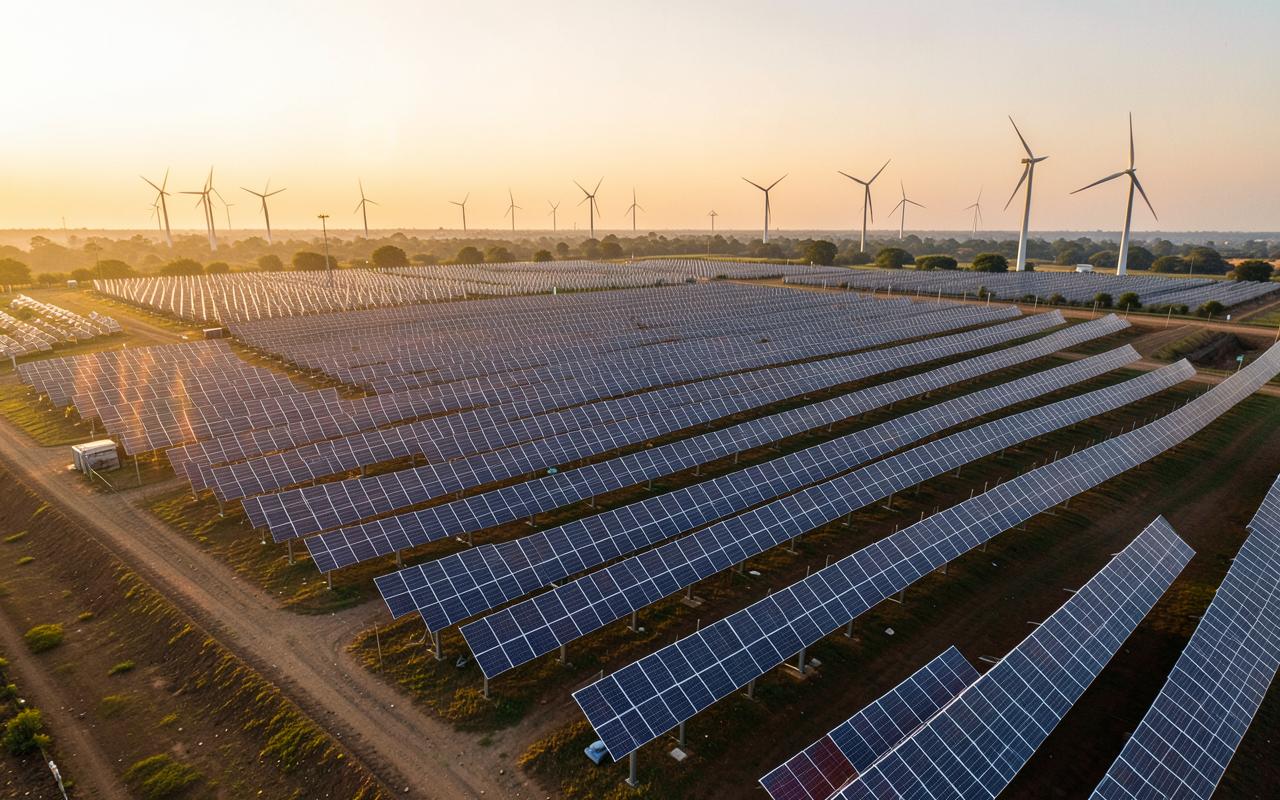
Residential rooftop solar is the missing piece in India's renewable energy story. Every home that installs solar panels reduces peak-load pressure on discoms, cuts transmission losses, and moves the country closer to its 500 GW non-fossil capacity target for 2030.
For homeowners, the question is no longer whether to go solar, but how quickly they can claim the subsidy before state targets fill up. A professional survey, correct system sizing and clean net-metering paperwork make all the difference.