
India’s digital economy is creating a new source of demand for renewable electricity. As technology companies expand data centres and AI infrastructure, their need for reliable clean power is opening opportunities for solar, wind and energy storage.
Data centres are becoming major clean-power customers
The LinkedIn news story ‘Big tech powers up renewable energy demand’ points to a growing connection between digital infrastructure and clean electricity. Reporting by The Economic Times on 9 October 2026 identifies Google, Amazon, Meta and Apple as major corporate buyers of renewable power in India.
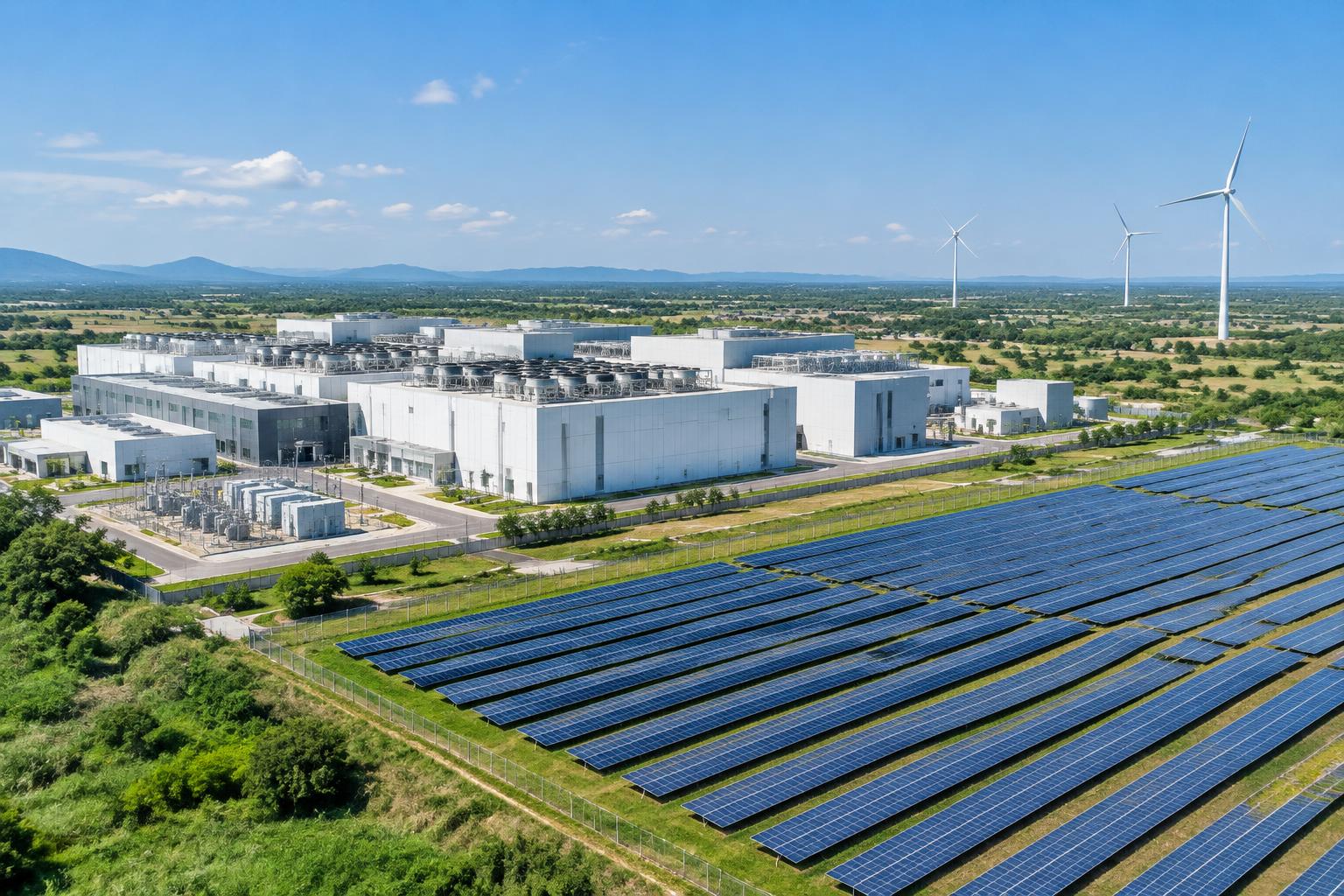
The reason is straightforward: servers, cooling systems and supporting infrastructure need electricity continuously. As AI workloads and cloud services expand, securing dependable power becomes as important as securing computing capacity.
A growing market—not a guaranteed forecast
The Economic Times cites Anand Rathi Research’s projection that renewable capacity required to serve India’s data centres could rise from 16.1 GW in 2026 to 32.4 GW by 2030. The same reporting projects data-centre IT load growing from 2.7 GW to 5.4 GW over that period.
These figures are forecasts, not installed-capacity milestones already achieved. IT load and renewable generation capacity measure different things: meeting a continuous load with variable solar and wind can require a larger portfolio of generation and storage. Actual growth will depend on project delivery, grid access and policy conditions.
Long-term contracts can support new projects
Large technology companies are increasingly seeking power directly from renewable developers through long-term power purchase agreements. The Economic Times reports interest in contracts lasting 15–20 years, giving developers greater visibility over future revenues.
For the solar industry, that creates opportunities beyond panel installation: engineering, procurement, construction, grid connections and ongoing maintenance all matter. But a contract for renewable electricity should not be confused with proof that a facility runs on carbon-free power every hour.
Why round-the-clock power changes the design brief
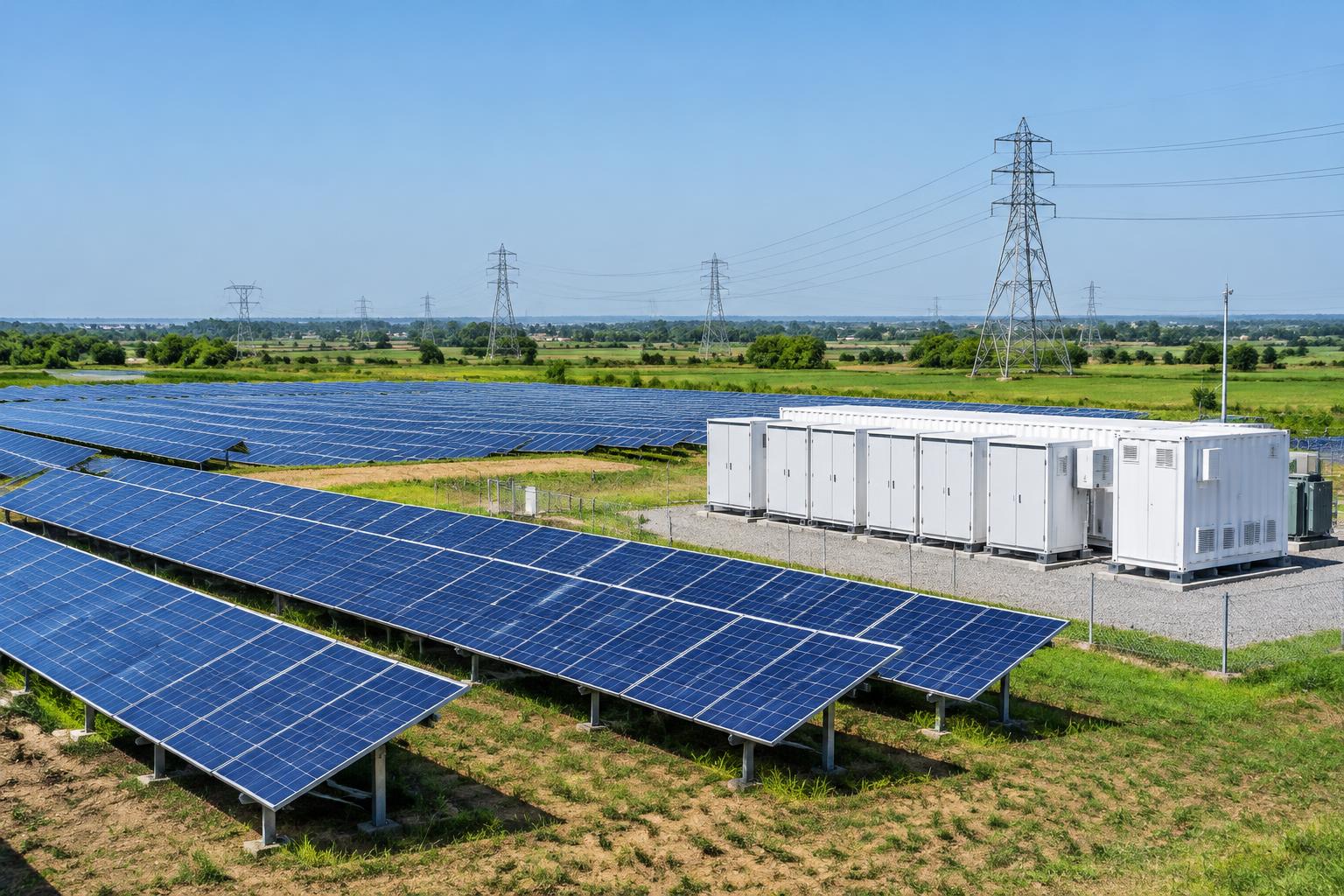
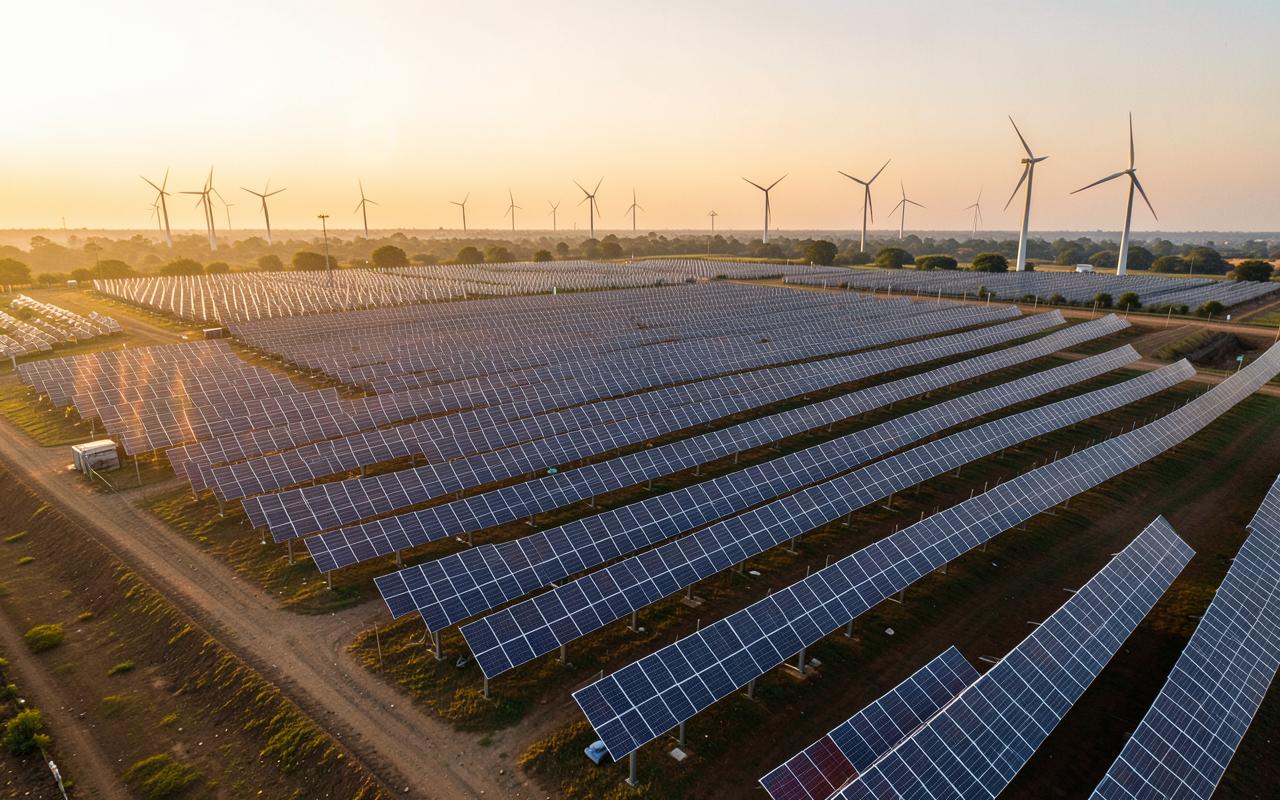
Solar produces electricity during daylight, while data centres operate through the night. Serving that demand calls for a combination of solar, wind, storage and other dependable sources, supported by a capable grid. Nature’s reporting on the technology sector also describes investment in nuclear and geothermal energy alongside renewables.
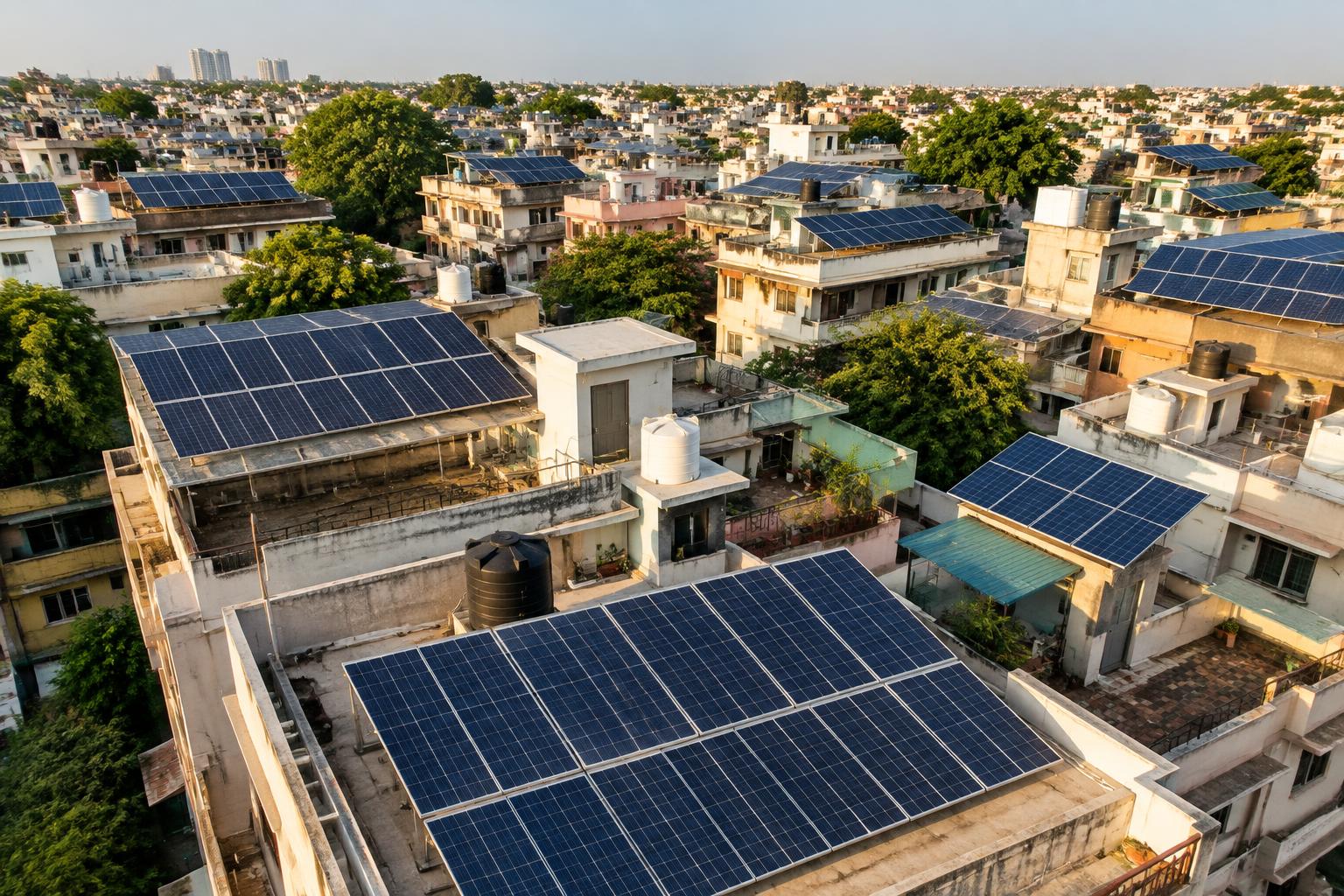
The lesson extends to commercial and industrial rooftops. A well-designed solar installation starts with the site’s consumption profile, available space and connection requirements—not just a headline capacity. Storage should be assessed against the actual need, operating conditions and economics of the project.
What this means for solar investment
Big tech’s appetite for clean electricity is another sign that solar is becoming part of core business infrastructure. For property owners and businesses, the practical next step is still site-specific: evaluate the roof or land, understand daytime demand, and build a system around realistic generation and long-term reliability.