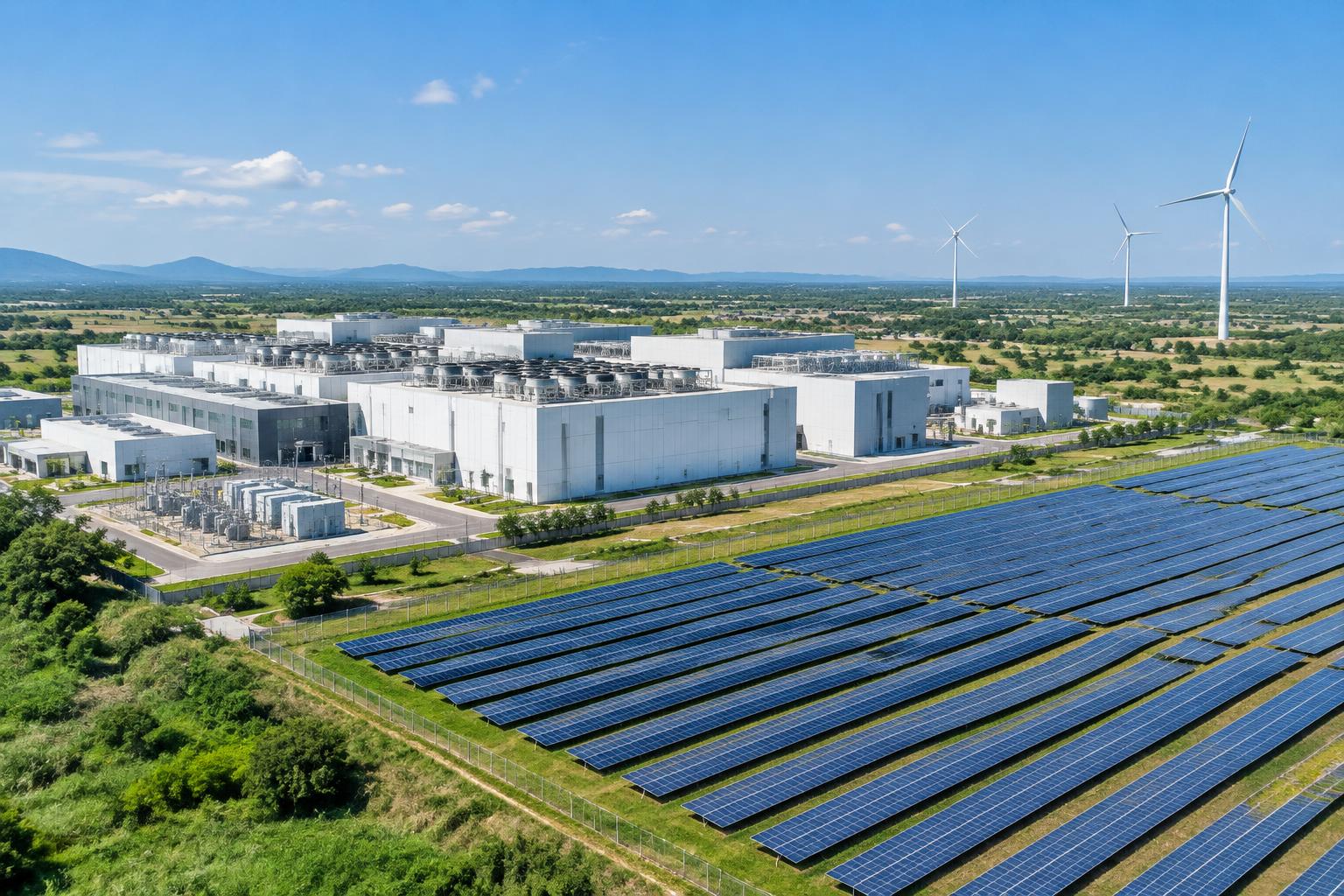

A Times of India feature asks whether India can become the first economic giant built on solar rather than coal. The opportunity is substantial—but making solar a dependable foundation for growth requires more than installing panels. Storage, transmission and a balanced electricity mix are central to the transition.
Clean power can change the pattern of growth
In the supplied Times of India clipping, journalist Chandni Tekwani examines a shift in India’s electricity system: clean generation meeting additional demand rather than coal automatically expanding to cover it. The feature reports a 63 TWh increase in generation between the first halves of 2024 and 2026, with solar contributing 44 TWh of additional output.
Those figures describe a period of change, not the disappearance of coal. Meeting new demand with clean energy and replacing the existing fossil-fuel fleet are different challenges. India’s long-term transition will depend on sustaining deployment while keeping electricity affordable and dependable.
Batteries make solar useful after sunset
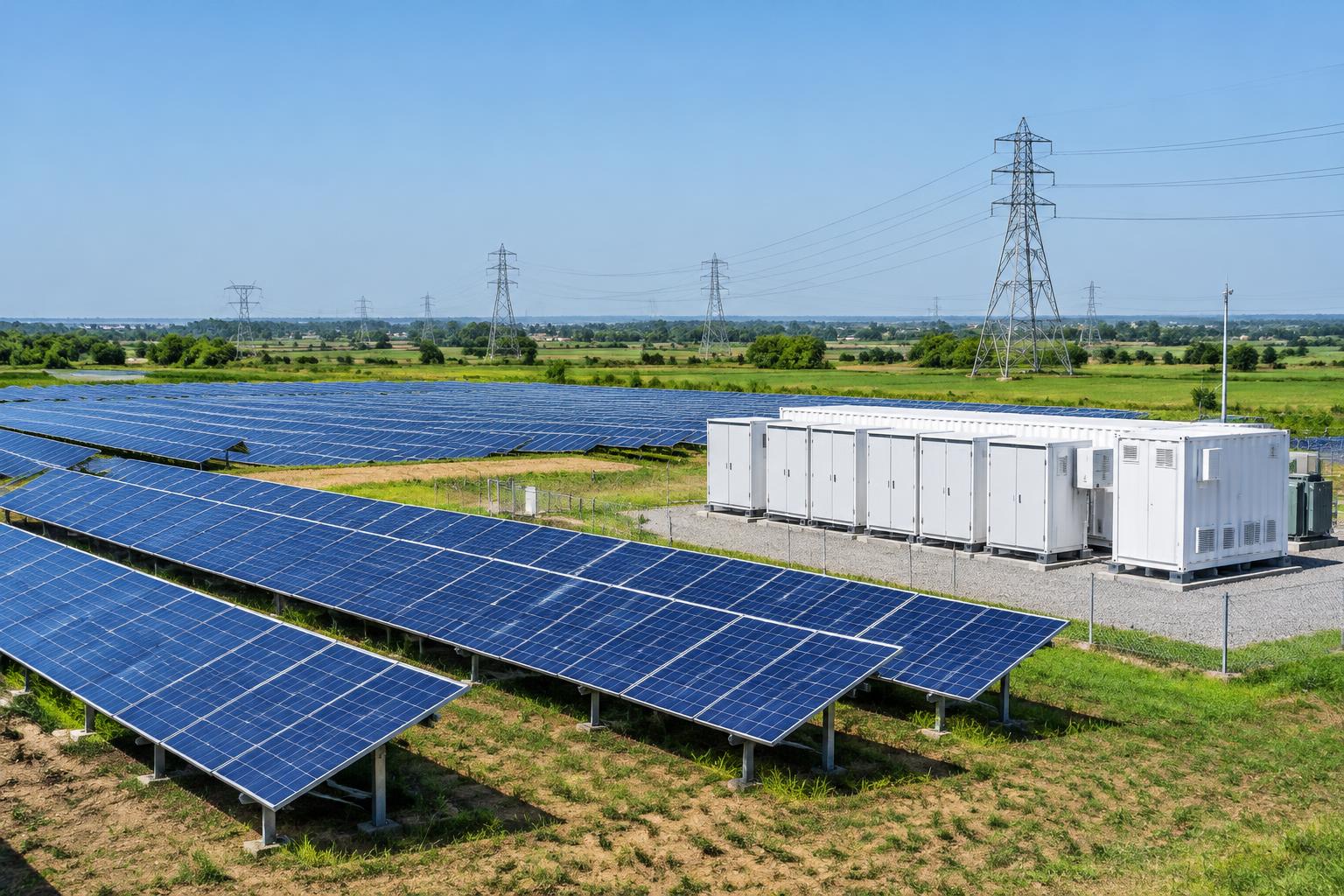
Solar generation is strongest during daylight, but homes, factories and offices also need power in the evening and at night. Batteries can shift some daytime output into those hours, helping match generation to consumption.
Ember’s analysis, published on 7 April 2026, models a solar-plus-battery system capable of supplying around 90% of India’s annual electricity demand at a levelised generation cost of approximately ₹5.06 per kWh. This is a modeled scenario under the report’s assumptions—not India’s current electricity mix, a household tariff or a quotation for a rooftop installation.
The monsoon is a reminder that diversity matters
An annual average can hide difficult weeks. Ember’s modeling shows that solar and batteries could meet around 66% of demand in July, when monsoon cloud cover reduces output. Batteries can shift energy across hours, but prolonged low-solar conditions are a different problem.
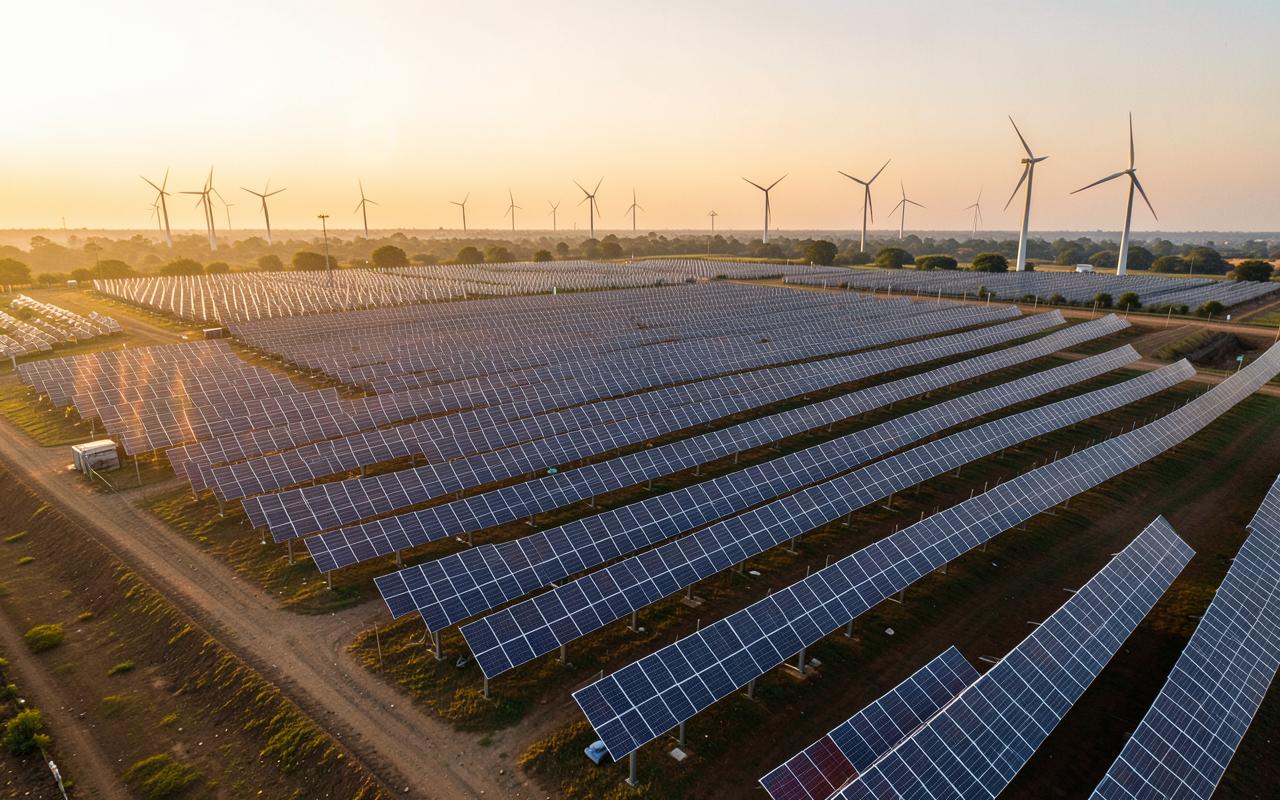
That is why wind, hydro, other dependable generation and transmission links remain important. The objective is not to rely on solar alone: it is to build a cleaner system that can meet demand through changing weather and seasons.
Installed capacity is only part of the story
Gigawatts describe the rated capacity of equipment; terawatt-hours describe the electricity actually generated over time. Comparing solar and coal therefore requires looking at output, timing and reliability—not simply the nameplate capacity of plants.
The newspaper’s suggested solar–coal crossover is an illustrative projection rather than an official target. The date will depend on deployment, demand growth, storage and grid improvements. Stronger transmission and flexible operations are needed so clean electricity reaches consumers when it is useful.
The rooftop contribution
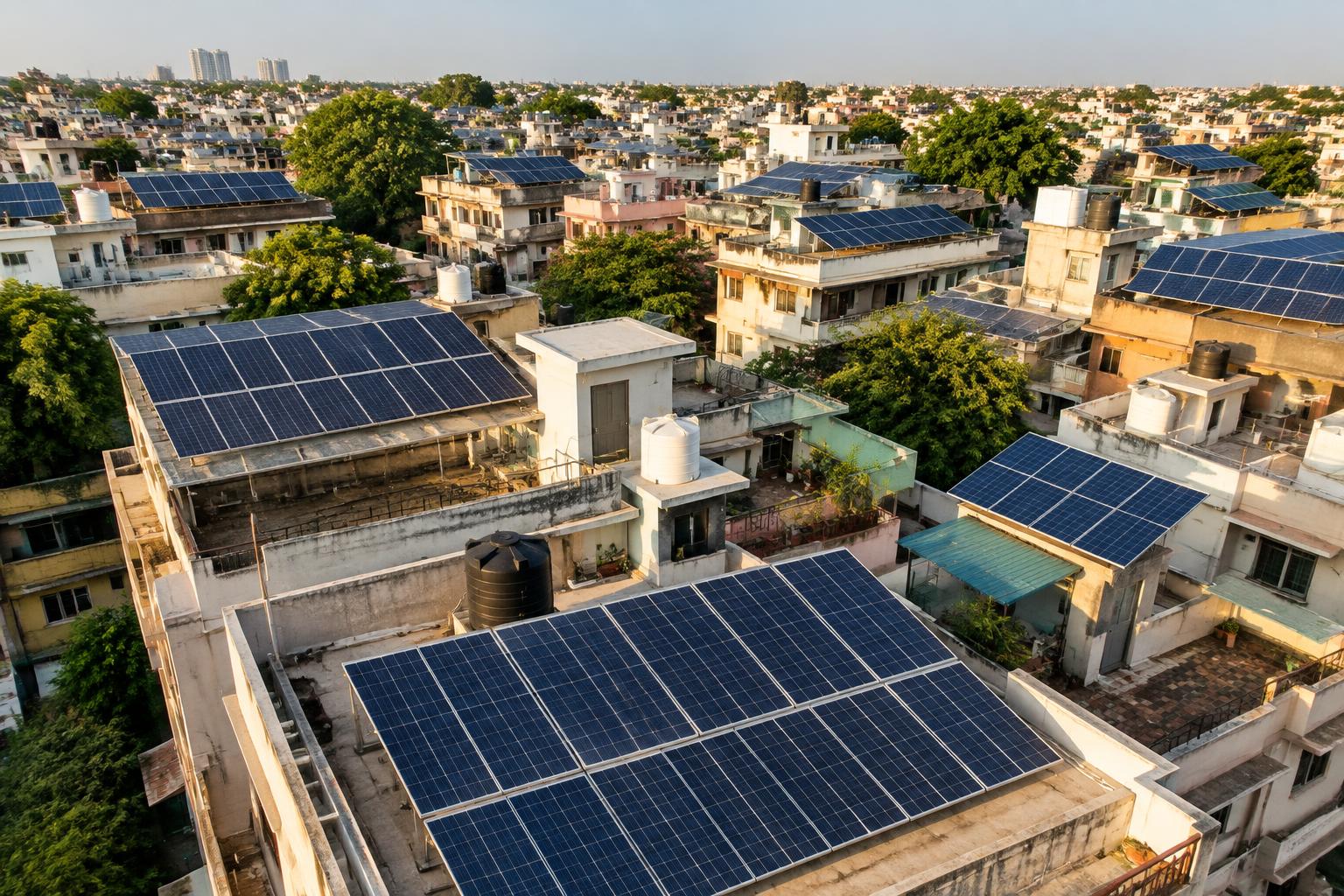
Large solar parks are one part of this transformation. Residential, commercial and industrial rooftops can also generate electricity closer to where it is consumed. Their contribution depends on sound system sizing, safe structures, appropriate electrical protection and dependable maintenance.
For an individual property, the right decision starts with a survey and a realistic assessment of consumption. National potential is encouraging, but each rooftop needs its own engineering and financial evaluation.
Sources & further reading
- The Times of India — ‘Can India become the first economic giant built on solar, not coal?’ by Chandni Tekwani (14 October 2026; newspaper clipping supplied by the reader)
- Ember — Battery storage is now cheap enough to unleash India’s full solar potential (7 April 2026)
- pv magazine — Solar-plus-storage could meet 90% of India’s power demand (8 April 2026)